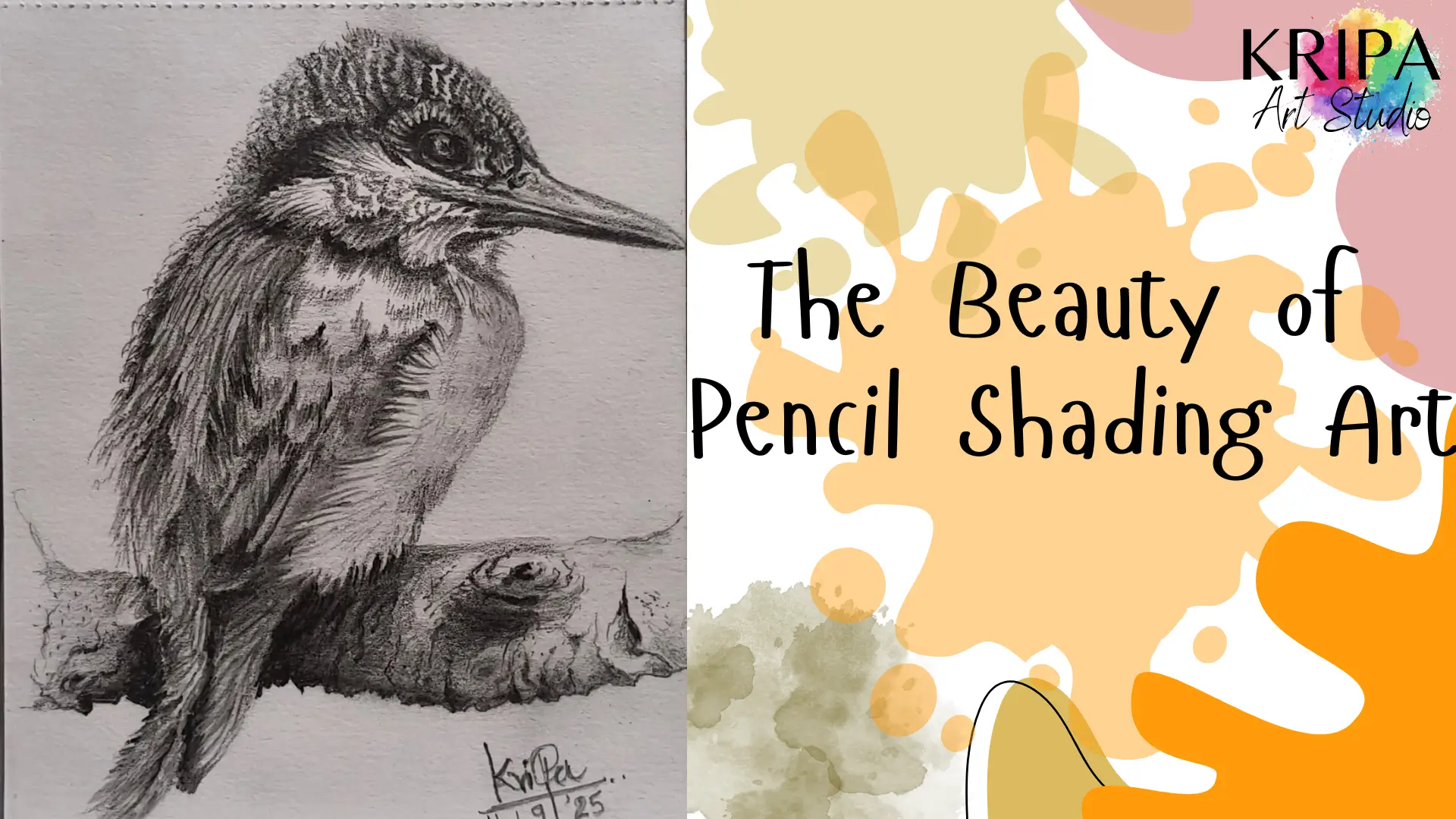
Pencil shading is one of the most elegant and timeless forms of art. With just a simple pencil and creativity, artists can create realistic portraits, nature sketches, abstract concepts, and emotional artwork that captures attention instantly. From beginners to professional artists, pencil shading remains one of the most loved artistic techniques because of its simplicity, depth, and expressive power.
Pencil shading art focuses on light, shadow, texture, and detailing. By controlling pressure and blending techniques, artists can create realistic depth and dimension that brings sketches to life. Whether it is portrait drawing, landscape art, or creative illustrations, pencil shading allows endless artistic possibilities.
Why Pencil Shading Is So Popular
One of the biggest reasons behind the popularity of pencil shading is its minimal requirement of materials. A pencil, eraser, blending tools, and paper are enough to create stunning artwork. Despite using simple tools, skilled artists can produce highly realistic and emotional masterpieces.
Pencil shading is also perfect for beginners because it helps improve observation skills, hand control, and understanding of shadows and proportions. Many professional artists begin their artistic journey through pencil sketching and shading practice.
Artists and art communities often highlight how shading techniques create realism and emotional depth in artwork.
Different Types of Pencil Shading Techniques
Smooth Shading
Smooth shading creates soft transitions between light and dark areas. This technique is commonly used in realistic portraits and face sketches to achieve natural skin texture and depth.
Cross Hatching
Cross hatching uses intersecting lines to create shadows and texture. It adds a classic artistic feel and works beautifully for detailed illustrations.
Blending Technique
Blending is used to create soft and realistic gradients. Artists often use blending stumps, tissues, or cotton to smooth pencil strokes and create lifelike effects.
Stippling
Stippling involves creating images through tiny dots. This technique requires patience but produces unique textures and artistic depth.
Benefits of Pencil Shading Art
Pencil shading is more than just drawing — it is a creative form of expression. It helps artists improve focus, creativity, and patience. Many people also practice sketching as a relaxing and stress-relieving hobby.
Art enthusiasts appreciate pencil shading because it captures emotions beautifully. A well-shaded portrait or landscape can communicate feelings and stories without the use of colors.
Creative communities often encourage beginners to experiment with different shading styles and textures to develop their own artistic identity.
Pencil Shading in Modern Home Decor
Handmade pencil sketches are becoming increasingly popular in modern interior decoration. Minimal black-and-white artwork creates a sophisticated and elegant look that complements every interior style.
Portrait sketches, nature drawings, and custom pencil artwork can add a personal and artistic touch to living rooms, offices, bedrooms, and studios. Framed pencil shading art offers timeless beauty that never goes out of style.
Tips for Improving Pencil Shading Skills
- Practice light and shadow observation regularly.
- Start with basic shapes before detailed sketches.
- Use multiple pencil grades for better depth.
- Experiment with blending techniques.
- Focus on proportions and textures.
- Practice consistently to improve control and detailing.
Even simple sketches can become impressive with proper shading and patience.
Final Thoughts
Pencil shading is a timeless art form that combines simplicity with creativity. From realistic portraits to expressive artistic sketches, shading techniques allow artists to create depth, emotion, and beauty using only graphite and imagination.
Whether you are an art lover, beginner, or collector, pencil shading artwork always carries a unique charm and artistic elegance. Handmade pencil art reflects dedication, creativity, and the true essence of fine artistry.